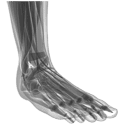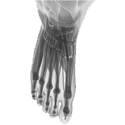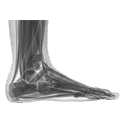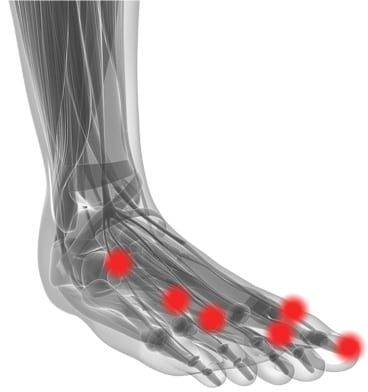


Our topic today is pain of the first metatarsal phalangeal joint (MPJ) many times referred to as general description of bunion pain.
Bunions are genetic predisposition associated with joint pain that usually worsens as the body ages but can be precipitated by injury, activity, and lifestyle activities.
There are 2 prominent formations in the category of bunions. These distinct types of bunions are known as hallux abductus as well as hallux rigidus; which occur at the approximate same ratio and incidence and occurring equal between males and females.
Conservatively, these conditions are often managed with the implementation of changing into a more accommodative stiff soled shoe as well as a rigid orthotic to provide better overall mechanical position and function of these bones of the foot.
Unfortunately, physical therapy, padding and strapping do not correct bunion deformity.
In light of these facts, surgical indication for the use of structural conditions is oftentimes warranted.
Most bunion surgeries are performed in an outpatient basis with local and IV sedation.
For my patients, when performing these bunionectomy surgeries, postoperative course and recovery is almost always the same and have excellent results/outcomes.
Postoperative pain is minimal, for most cases patients only require NSAID/Aleve for the first 5 days after surgery to not only reduce inflammation but also help reduce incidence of coagulation/blood clots due to limited activity. Patients are provided narcotic medication for breakthrough pain but rarely is this medication utilized by patients as they do not have the pain at a level that requires this medication.
After outpatient foot surgery, patients will have dressings that will be in place on the surgical foot for total of 2 weeks to allow skin incision site to heal. During these first 2 weeks after surgery, patient will utilize a postoperative shoe when they are up and about.
After stitches are removed at 2 weeks, patient is progressed into a stiff soled shoe with guarded weightbearing for the next 3 weeks performing guarded weightbearing, avoiding any high impact activities during that early time of bone healing.
At week 5 patients have progressed to physical therapy as the bone has mended to the point where they can run a mile on a treadmill if needed without disturbing the surgical site.
Due to the standard 4 phases of wound healing, patients understand that they will have swelling of that surgical site that will last the next several months after surgery.