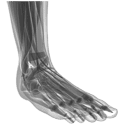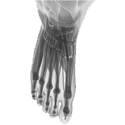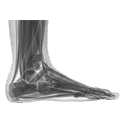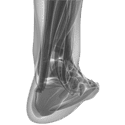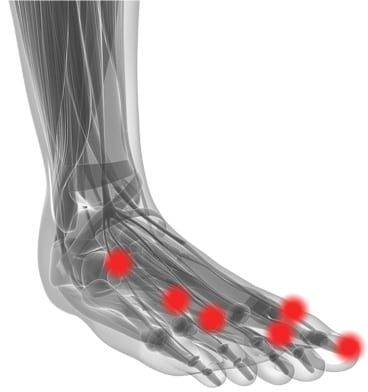

Many chronic wounds of the foot and leg are directly caused by mechanical pressure. Common sites for these ulcers include the tips of the toes, the underside of the metatarsophalangeal joints, and the heels. Less commonly, ulcers can develop over bony prominences, especially in areas with bone deformities from past trauma or conditions such as Charcot foot.
As we age, the architecture of the foot changes, often creating high-pressure zones that place stress on the skin. Initially, the skin responds by forming a protective callus. However, if pressure persists, it can lead to blistering and, eventually, ulceration. Physiologically, high pressure compresses the skin’s microvasculature, leading to localized ischemia. This oxygen-deprived environment fosters the development of chronic wounds.
Key to Healing: Identifying and Resolving Pressure
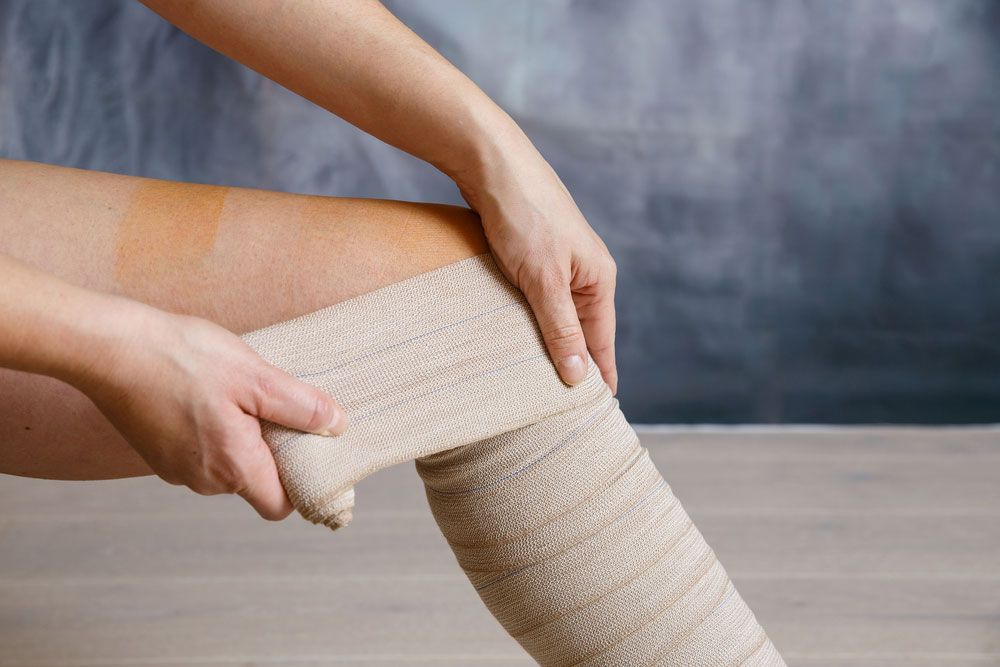
Without addressing the mechanical forces causing these wounds, ulcers will inevitably worsen. Off-loading — redistributing pressure away from the ulcer site — is critical for creating an environment where healing can begin. There are many techniques available for off-loading and they should be implemented as early as possible.
The Role of Antibiotics
While antibiotics are important for treating or preventing infections, they cannot resolve a pressure ulcer alone. On examination, pressure ulcers often present with redness, swelling, and warmth — signs of inflammation from tissue trauma. However, infection can also be present.
Empirical antibiotic therapy is appropriate initially, but definitive antibiotic selection should follow a proper diagnostic workup. It’s important to note that superficial wound cultures (ie… topically swabbed) are frequently contaminated and do not reliably represent the organisms responsible for deep infection, and thus should generally be avoided.
Modern Wound Care Best Practices
Selecting the right dressing is essential. Outdated methods like wet-to-dry dressings are not only ineffective but considered below the current standard of care. Instead, today’s best practice includes the use of advanced wound dressings such as hydrogels, alginates, foams, and ointments, all of which help maintain a moist, healing environment.
Proper wound cleansing is equally important. Avoid cytotoxic agents like Betadine, hydrogen peroxide, and alcohol, which can damage healing tissue. Instead, clean wounds gently with Hibiclens, mild soap and water, or appropriate hypochlorite solutions to reduce bacterial load without harming regenerating tissue.
Debridement: Clearing the Path for Healing
Routine debridement — the removal of necrotic tissue — is crucial for wound healing. Dead tissue can act as a barrier to recovery and must be removed regularly, either sharply or enzymatically, to promote a healthy wound bed.
Advanced Therapies That Make a Difference
Several innovative treatments can further accelerate healing. In my experience, amnion/chorion allografts derived from placental tissue significantly enhance wound healing by promoting chemotactic signaling. Likewise, the use of negative pressure wound therapy (Wound VAC) can dramatically speed up healing by drawing essential reparative cells into the wound site.
A Final Note
While this discussion focuses on pressure-induced ulcers, it’s important to recognize that not all wounds of the lower extremity are caused by mechanical pressure. Other causes include ischemic wounds, venous ulcers, and malignancy-related ulcerations, each requiring their own specialized management strategies.